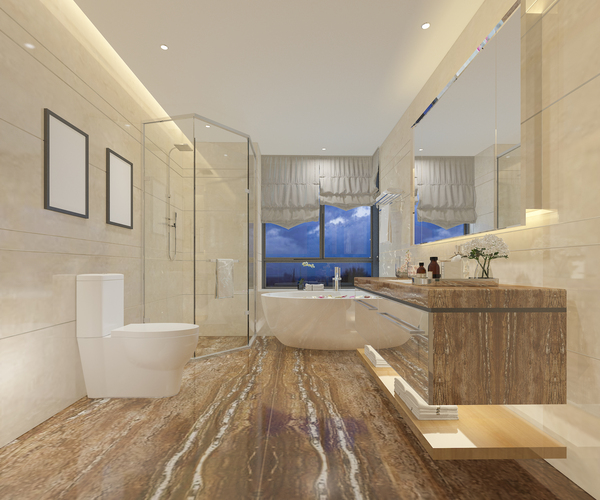
If you’re looking to make improvements to your home to either increase the property value or enhance functionality, a bathroom remodel should be at the top of your list. A new bathroom can immediately attract potential buyers if you’re planning on selling your home, but it can also improve your home aesthetics and comfort. Bathroom remodels can typically recoup as much as 70% return on investment, but you need to make sure that you manage your costs.
National Average Costs Overview
There is no set amount that a bathroom remodel will cost, but we can look at national average costs to establish some trends on how much you should be budgeting for your project.
A. Cost Ranges by Bathroom Type
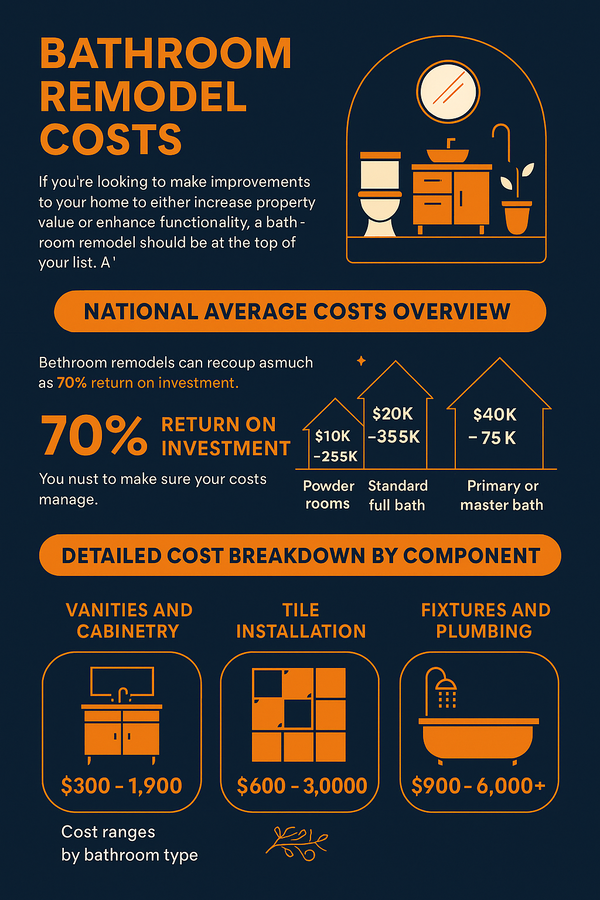
Obviously, the smaller the space, the cheaper the potential cost. If you’re updating a powder room or half bath, there is a smaller space with fewer fixtures, so the average cost is $3,500 to $15,000. Homeowners can focus on the toilet, vanity, lighting and flooring.
If you have a typical nine feet by five feet standard full bath, you can expect to spend an average of $7,000 to $30,000 for full renovation including fixture replacement and tiling. However, if you’re looking to remodel a primary or master bath, the price tag tends to be higher, as the larger space may require custom elements or luxury features. In this case, the average cost jumps to $35,000 to $75,000.
B. Factors Influencing Overall Costs
Of course, there are a number of factors that will influence the overall cost of your bathroom remodel. This includes the bathroom size and existing layout. If you need to move the fixtures, it will significantly increase your costs.
Your project cost will also be influenced by the quality of materials and the finishes you select, and the extent of any required structural changes. However, your geographic location, the seasonal demand for contractors and the current material supply chains may also impact the overall cost.
Detailed Cost Breakdown by Component
You can also estimate the costs involved in your bathroom remodel by the component, making it easier to tailor the typical prices.
A. Vanities and Cabinetry
You can purchase premade vanities for anything from $300 to $900, depending on the size, hardware and material quality. If you are interested in a solid wood cabinet with stone top, you can expect to pay $900 to $1,600, but if you need a semi-custom vanity with quartz countertops, the average cost will increase to $1,200 to $1,900.
B. Tile Installation Costs
Many people overlook the tile in their bathroom renovation plans, but while you may have factored the cost of the tile in your budget, have you allowed enough for the installation? A typical floor tile installation can be between $600 and $2,400, depending on the tile and labor involved. Shower wall tile, particularly subway and natural stone can run anywhere from $800 to $2,600 and for the shower floor, you will need to consider slip resistance and waterproofing, which means that you may need to budget as much as $2,000.
C. Fixtures and Plumbing
The price of a complete fixture set can vary widely from low end budget friendly at an average of $900 to $6,000 or more for a luxury set. If you opt for budget friendly, standard fixtures such as a standard toilet, it may cost as little as $220, but if you want access to all of the smart toilet features, you will need to budget as much as $1,800 for the toilet alone.
D. Accessories and Finishing Touches
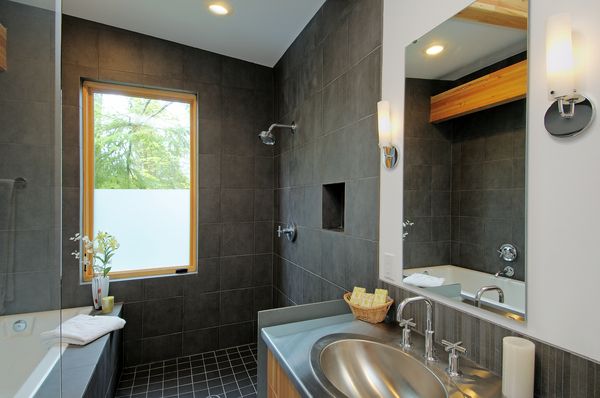
The finishing touches are what tie a bathroom remodel together, but the cost of these small items can quickly add up. Vanity mirrors, lighting fixtures, storage solutions and even towel bars can range from very budget friendly to high end and custom, so you will need to balance your style and quality preferences with your budget.
Labor Costs and Professional Services
This is another area where your bathroom remodel budget can start to go off track, but you’ll need to factor in those labor costs.
A. Skilled Labor Importance
Since you’re dealing with both plumbing and electrical installation during a bathroom remodel, it is usually a good idea to work with a skilled and experienced professional. A professional installation ensures that you don’t invalidate the warranty on any fixtures and you can feel confident of a new bathroom that will stand the test of time. The typical labor cost for a bathroom installation is $4,000 to $8,000.
B. Regional Labor Variations
However, you may find that there are a number of variations in the cost of labor depending on where you live and when you plan your renovation project. Throughout the year, there are seasonal fluctuations when contractors are more readily available and other times when they have incredibly packed schedules. If you can arrange your remodel for a quieter time of the year, you may find you get a more budget friendly quote for the labor costs.
However, there are some markets that have continual high demand. If you live in a city or urban area, you’re likely to pay more for the labor costs compared to someone living in a rural area.
C. When to DIY vs. Hire Professionals
This is a tricky question as it will depend on your DIY experience and confidence. There are some areas of a bathroom remodel that require a licensed professional. This includes electrical and structural work, along with moving plumbing fixtures. However, if you have sufficient DIY experience, you may have no issues with swapping out a sink unit or toilet without needing the help of a pro.
It is always a good idea to weigh the cost savings against the quality of the workmanship before starting the project. Remember that if you lack the skills and knowledge, you may end up paying even more to have a professional come in and fix your mistakes.
Layout Changes and Structural Modifications
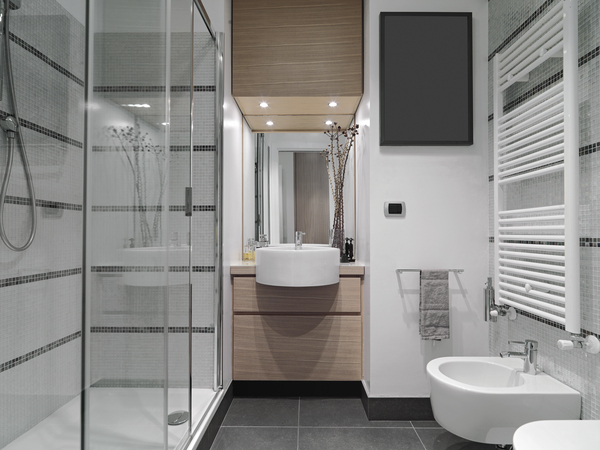
If you can keep the layout of your bathroom the same, you should find your renovation costs remain fairly static. However, if you have a layout issue that causes headaches, now may be a good time to fix it.
A. Minor Layout Adjustments
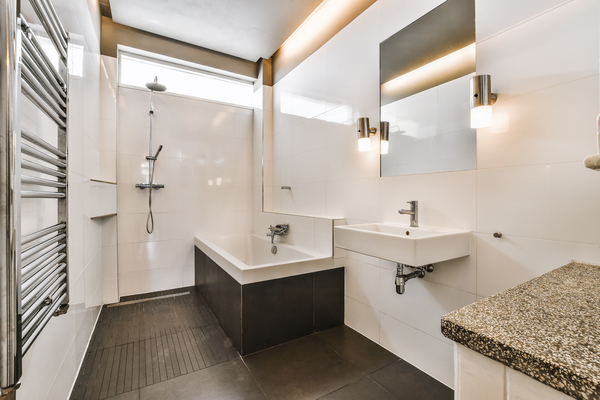
Cosmetic changes without any major reconstruction is considered a minor adjustment. This extends to moving fixtures within your existing plumbing, which may cost around $5,000 to $6,000.
B. Major Structural Changes
If you need to remove a wall, upgrade your electrics or relocate plumbing, you may need permits and inspections, which can drive the cost of your project up by as much as $6,000 or more.
C. Accessibility and Universal Design Modifications
If you plan on the house being your forever home or you have a senior living with you, you may need to make ADA compliant changes, which will incur installation costs. For example, upgrading to comfort height toilets, and adding safety features such as grab bars will increase the overall project cost. For example, a walk in shower conversion can cost an average of $6,000 to $12,000.
Luxury Upgrades and Premium Features
If you want to have that “wow” factor in your new bathroom, you will need to think about premium features and what luxury upgrades you would like to incorporate into the remodel.
A. High-End Additions
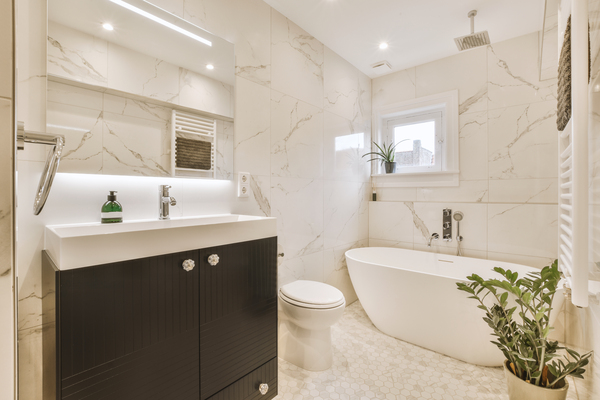
Heated floors: $1,600 - $4,900 Heated towel bars: $1,000 - $5,000 Luxury tubs and whirlpool systems: $1,500 - $7,000+
B. Smart Technology Integration
Digital shower controls Smart mirrors and lighting systems Voice-activated features
Common Costly Mistakes to Avoid
You can mitigate some of your remodel budget issues by avoiding some of the most common, yet costly mistakes.
A. Upgrades People Regret Most
While a multi jet shower system may seem like a great addition, it can create long term issues with high maintenance costs, likewise jetted spa tubs are generally infrequently used, yet have high upkeep costs. Other bathroom mistakes many people regret are vessel sinks that tend to have splashing and maintenance issues and backlit vanity mirrors that may provide insufficient practical lighting.
B. Better Alternatives
Instead of the upgrades above, why not consider an undermount sink for easy cleaning, a regular soaking tub for its timeless appeal and a large, single showerhead to avoid those high maintenance costs.
Budget Planning and Cost-Saving Tips
Fortunately, there are some budget planning and cost saving tips that may help you to navigate your project. Set realistic expectations: Balance budget with your desired outcome and don’t forget to plan for any unexpected expenses with a 10-20% contingency buffer.
Shop smart: Try to time your purchases for sales seasons and prioritize things that will add home value. Try mixing budget friendly and high end items to balance the cost.
Choose the right finance: If you’re planning a significant project, the lower rates and longer terms of a home equity loan or line of credit may be more appropriate. However, for smaller projects, a personal loan may be sufficient. Don’t forget to check if your contractor has a financing program.
2025 Bathroom Remodel Trends Affecting Costs
A. Popular Design Trends
Spa-like aesthetics and wellness features Sustainable and eco-friendly materials Bold tile patterns and statement walls Matte black fixtures and hardware
B. Technology Integration Costs
Smart toilets and bidets: $800 - $3,500 Digital shower controls: $1,200 - $4,000 LED mirror technology and USB charging stations
Regional Cost Variations by State
We touched on this earlier, but the cost of your remodel project may be heavily influenced by your state.
A. High-Cost Markets
States such as New York and California are a high cost market with project costs as much as 40% over the national averages.
B. Moderate to Low-Cost Markets
The Midwest and Southern states are typically as much as 20% below the national average.
C. Market-Specific Considerations
You will need to assess if there are any considerations that are specific to where you live. This includes local building code and permit costs and whether materials are readily available in your area.
Contractor Selection and Project Timeline
The right contractor can make or break your project and your project timeline, so you need to choose with care.
A. Finding Qualified Contractors
Be sure to take a little time to verify the contractor’s licensing and insurance information. Obtain multiple quotes to make comparisons and don’t be afraid to ask for references and portfolio examples.
B. Project Timeline Expectations
A typical bathroom renovation can take between two and six weeks, but there are factors that can extend the timeline including permits and the extent of the project. You may also find if you arrange your renovation during peak times, the project takes longer, since the contractor may be called away to another project.
C. Red Flags to Avoid
Always be wary of unusually low bids or high pressure door to door solicitors. If your contractor is unable to prove they have the proper licensing or insurance, or they require a full payment upfront, it is best to err on the side of caution and look elsewhere.
Conclusion and Next Steps
Planning a bathroom remodel can be exciting, but it can also be daunting if you don’t have a full understanding of the bathroom upgrade costs. While it can be fun to check out the latest bathroom renovation trends, you will need to balance your aesthetic preferences, functionality and budget. Try to be realistic about your budget and planning, and remember that you can obtain professional advice and guidance with multiple quotes from contractors to get the best bang for your buck.