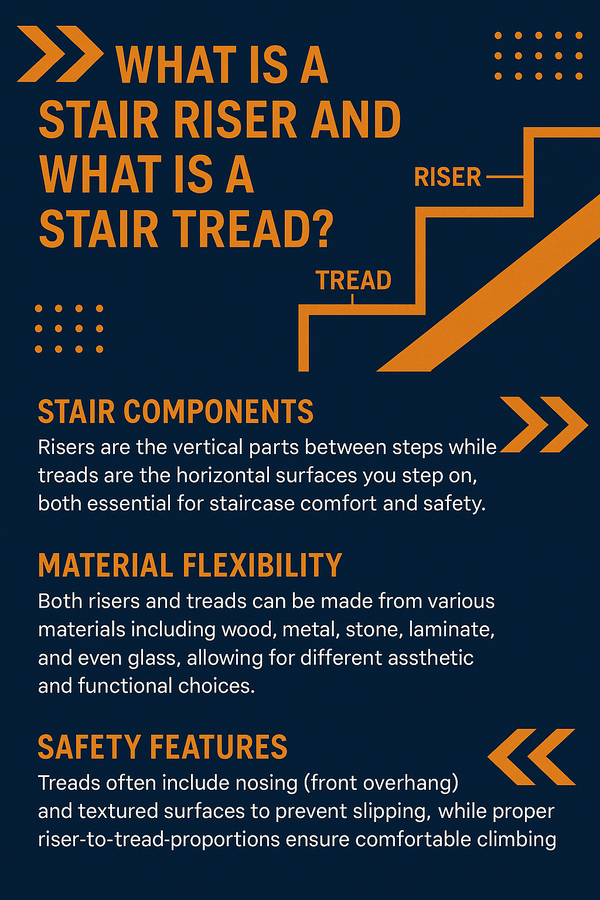
Risers and treads are fundamental components of a staircase. The stair riser is the vertical part between the steps, while the stair tread is the horizontal surface where the foot rests. These simple stair design elements are responsible for the comfort and safety of a staircase user. Understanding how risers and treads relate is important to the aesthetics, structural integrity, and functionality of staircases. In this post, we help you learn about stair risers and treads to make the right choice for your home.
Anatomy of a Staircase
A staircase comprises three critical components which include the tread, riser, and stringer. The tread is the surface you step on that often comes with a nosing which is the overhang on the front of the tread that offers more room to step on and prevents slipping. Risers are the vertical faces that connect the treads and may be open or closed. A stringer is the structural backbone of the staircase and supports all the other features of a staircase. Other important elements of a staircase are newel posts, spindles, and handrails that function together to improve aesthetics and provide a surface to hold on to when using the staircase.
Detailed Understanding of Stair Treads
As mentioned earlier, treads are the horizontal surfaces we step on when we ascend or descend the staircase. They play an important role in the functionality of the staircase.
The Function of a Stair Tread
The primary role of treads is to bear the weight of staircase users. To offer the best grip for feet, stair treads must be durable and slip-resistant**.**
Types of Stair Treads
Just like risers, stair treads come in different designs as in the following list:
Straight Treads: These are the most common tread types with a standard rectangular shape. The potential downside of straight treads is that they are less interesting visually compared to other tread designs like the bullnose treads that we discuss next.
Bullnose Treads: These treads have rounded edges to improve aesthetics and safety. These treads don’t have sharp corners reducing the risk of stair users hurting themselves in case of slipping.
Retro Treads: Retro treads are designed for stair remodeling that does not need major construction. They are installed on top of existing treads using a specialized construction adhesive.
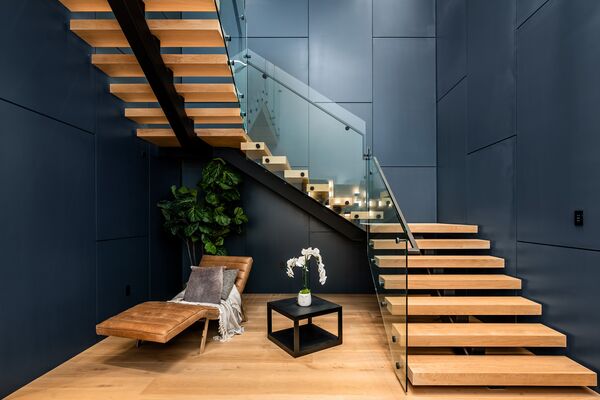
Open Tread Designs: Often used together with open risers to give contemporary looks. These treads feature open spaces between them to create an impression of lightness and airiness. Their construction must follow safety standards to protect users.
Materials and Finishes
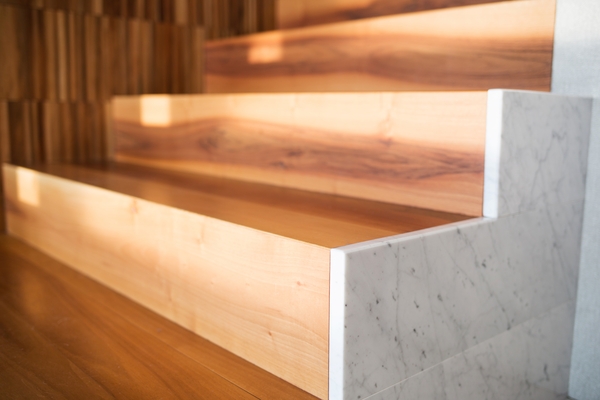
Just like risers, treads come in a range of materials and finishes. Wood is the most popular as it looks great and is naturally warm under the feet. They are often made of hardwood like oak, maple, and hickory, and sometimes with materials like bamboo, laminate, and rubber. Bamboo is the eco-friendly option, laminate saves on construction costs, while rubber is ideal for high-traffic areas due to its excellent slip resistance. Treads can be purchased prefinished or unfinished and as wooden planks for custom projects.
For elegant modern interiors, toughened laminated glass can be used as treads, creating features that help maximize natural light in the space. In addition, a veneer is a great finish for stairs as it adds warmth and natural beauty.
Safety and Comfort Features
Several design elements of treads enhance the comfort and safety of the users. The most common safety and comfort feature is the nosing which extends the tread to increase the surface area for better grip. Textured and rubberized surfaces are important to minimize the risk of slips and falls.
Detailed Understanding of Stair Risers
The Function of a Stair Riser
Stair risers have three primary roles which are, providing structural support, defining the height of steps, and contributing to aesthetics. To make the stairs sturdy and achieve the best looks, risers come in a variety of materials and finishes like wood and metal, depending on your preferences.
Types of Stair Risers
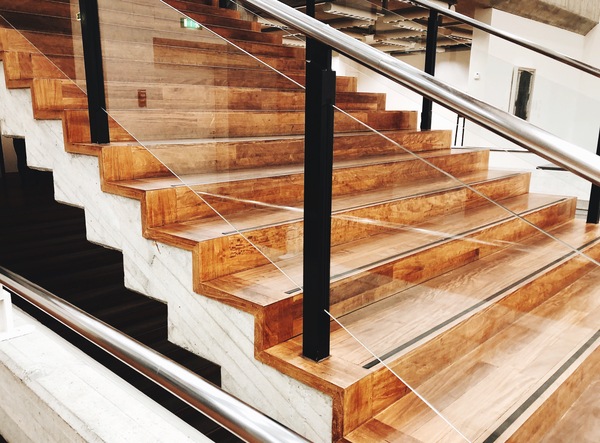
Stair risers come in three different styles and designs; closed risers, open risers, and angled risers. Closed risers are made of solid panels that provide a traditional look and are generally considered safer for staircase users. On the other hand, open risers have spaces between the treads giving a more contemporary look which makes them a great pick for lovers of minimalism. Some people find open risers unsafe, especially for children but this shouldn’t be a concern if they are built to the local and international building codes. Then we have angled risers, which are cut to an angle instead of being perpendicular to the tread to create a unique design for spiral or curved staircases.
Materials and Finishes
The most traditional way of constructing staircases is by using the same material for treads, risers, and stringers. This means that the material you choose for your tread will work well for your risers as well. But in modern staircases, you may find risers with different materials. Top on the list is wood with the most popular options being oak and pine for a beautiful warm finish. Aluminum or steel risers are also a common choice for providing a sleek and modern looking staircase. Stone like marble and granite are also great options for stair risers for a luxurious touch. If you are on a budget, laminate and veneered MDF risers may be the better option because you can use them to mimic the other materials.
When it comes to finishes, white risers are great for contrast, natural wood for warmth, and veneered for cost-effectiveness. You choose a riser finish based on the appearance you want to achieve and cost-effectiveness.
Building Code Standards
Adhering to building codes is the best way to be sure you’re designing a staircase that is functionally safe and aesthetically appealing. One of the main issues to consider is a mandatory uniform riser height for the staircase. Make sure you apply the recommended minimum and maximum heights specified by local regulations. Doing this ensures that standard materials are used, the construction is sturdy and each feature of the staircase is in accurate measurement.
Interaction Between Risers and Treads
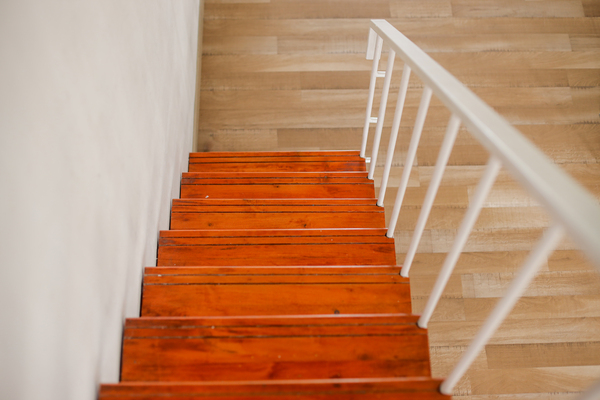
For staircases to work, risers and treads must be designed to complement each other. There must be a balanced relationship between riser height and tread depth to make climbing and descending stairs comfortable and safe. A common rule of thumb is that twice the riser height plus the tread depth equals 24 to 25 inches.
Treads Without Risers (Open Staircases)
There are instances when risers are left open also known as floating treads. These come with the advantage of airy aesthetics making your space look modern. However, these open staircases reduce safety, particularly for children and pets. This type of staircase design requires precise engineering to be stable and remain functional.
Trends and Innovations in Stair Design
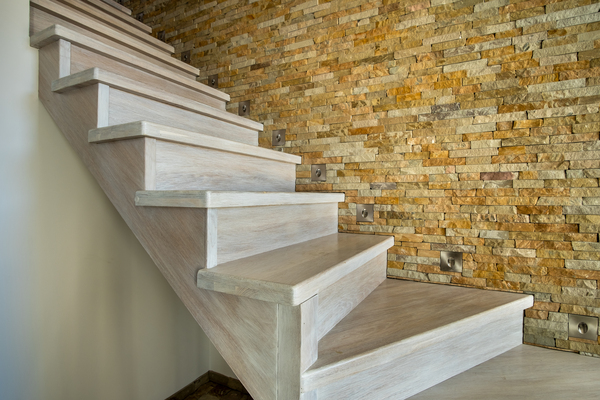
Over the years, stair design has evolved to embrace innovative technologies that make the staircase functional and appealing. LED lighting is used to light up and beautify the treads and risers. For a dramatic effect, you may need to choose different colored LED lights or motion-sensing lights. Furthermore, homeowners can customize their staircases with colors, patterns, and finishes to create unique-looking staircases.
Conclusion of Stair Riser and Tread Roles
Stair risers and treads are important structural components of stairs that contribute to the aesthetics and functionality of your staircase. Understanding the role of each of these parts is the first step to making a beautiful and safe staircase for users. Whether you are making stairs for new construction or doing a renovation, investing in high-quality materials and thoughtful design choices helps enhance your home value. If you need help with designing and making your staircase, reach out to us at XXXX.