This decision impacts your daily routine, home value, and long-term satisfaction. Not only that, there are fundamental trade-offs between the two. For example, your choice affects things like accessibility, cost, and the resale value of your home. So which is best? In this article, we’ll discuss the pros and cons of each.
1. Walk-in Showers: Modern Convenience and Accessibility
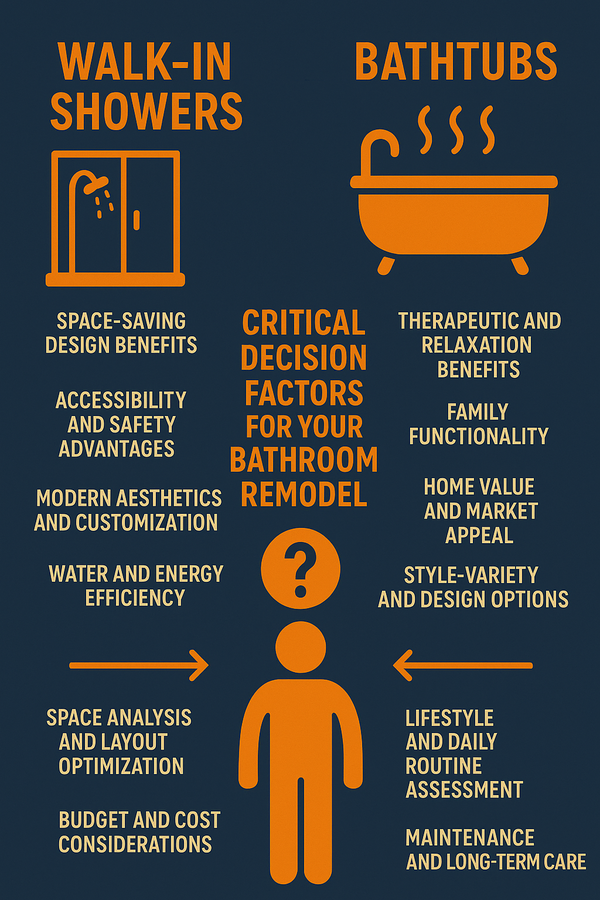
A. Space-saving Design Benefits
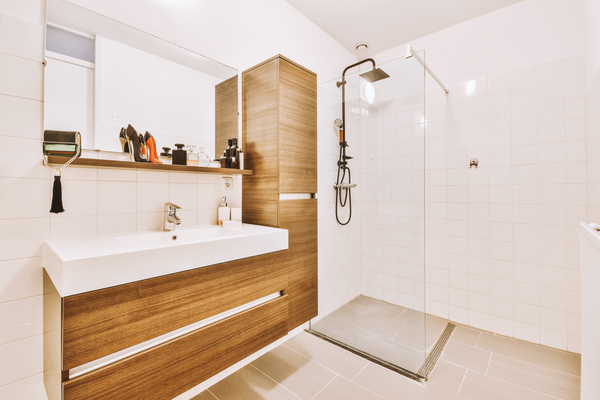
Walk-in showers are a good choice for small bathrooms. They maximize floor space and give your bathroom an open ,airy feel. Corner and alcove installations work well in these bathrooms and provide you with flexible layout options. Frameless glass enclosures are also useful for visually expanding the space.
B. Accessibility and Safety Advantages
Showers can be fitted out with safety features like grab bars, non-slip flooring, built-in seating, and handheld showerheads. They also eliminate high step-over barriers which reduces the risk of falls. The lack of a curb also means they’re wheelchair accessible. This makes them the best choice for elderly people.
C. Modern Aesthetics and Customization
Showers come with a wide choice of add-ons. This includes things like rainfall showerheads, body jets, and steam generators. You also have options for advanced features like digital shower valves and smart home integration capabilities. This optionality also extends to the materials used. Your shower can be finished with ceramic/porcelain tiles, natural stone, or solid surface panels.
D. Water and Energy Efficiency
If you’re concerned about the environment and your energy/water usage, then go with a shower. An 8-10 minute shower uses about 20-25 gallons of water. You can actually reduce this by installing a low-flow showerhead. Showers also use less hot water compared to a bathtub, and this helps with energy saving.
2. Bathtubs: Relaxation, Family Function, and Market Appeal
A. Therapeutic and Relaxation Benefits
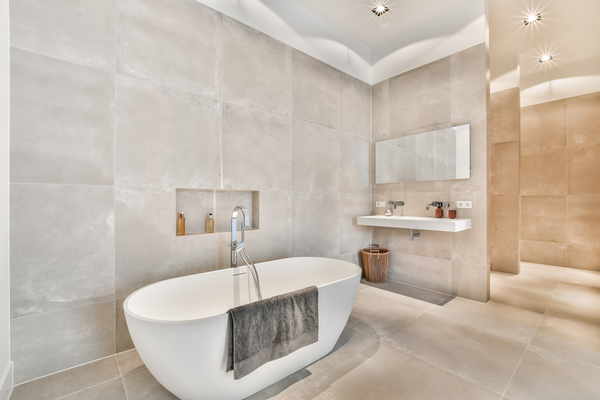
Jacuzzi bathtubs and soaking tubs come with jets, heated surfaces, and aromatherapy integration. All of these have hydrotherapy benefits. They make your tub a great place to soak away stress and create a spa-like home retreat experience. They can also be used for muscle recovery.
B. Family Friendly Functionality
Tubs are a must for homeowners with young children. They provide a safe, contained environment for child bathing and water play. Tubs are also essential for pet bathing. You may also want to install a tub if you’re remodeling in a multi-generational household.
C. Home Value and Market Appeal
Installing at least one bathtub increases buyer appeal and this can boost the ROI of your remodel. Some home buyers may also have a preference for bathtubs. In fact, tubs are particularly important for the suburban market. Buyers in luxury markets will also expect a tub in the master suite bathroom.
D. Style-Variety and Design Options
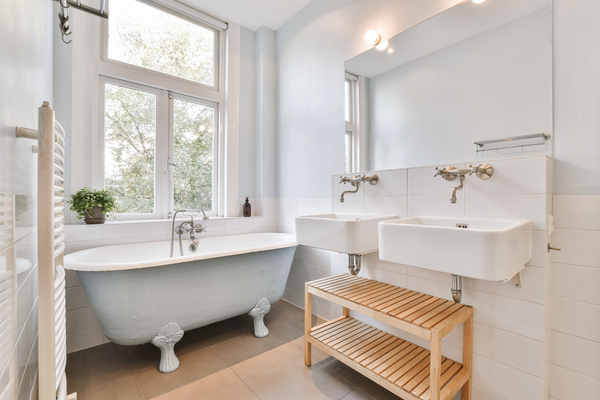
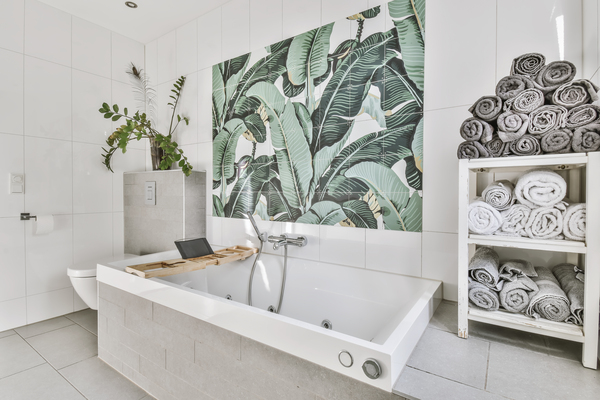
Freestanding tubs with modern sculptural designs create a focal point in your bathroom. Built-in alcoves and corner configurations are a good choice if you want to save space. People who are looking for dual functionality can choose a soaking tub and shower combo. With tubs you also have a wide variety of material choices like acrylic ,cast-iron, composite stone, and copper.
3. Critical Decision Factors for Your Bathroom Remodel
A. Space Analysis and Layout Optimization
Whether you install a shower or tub will ultimately depend on space requirements. This is why contractors must first assess and measure the existing bathroom footprint. Your bathroom configuration also depends on remodeling costs. The biggest expense here is usually plumbing relocation.
B. Lifestyle and Daily Routine Assessment
Showers are better for quick daily hygiene routines, while tubs are best for leisurely bathing. When selecting between the two also consider physical limitations and mobility. Something else to think about is your household composition. Is this bathroom for an adults-only household, a family with children, or elderly clients who are aging in place?
C. Budget and Cost Considerations
On average:
· Shower installations usually go for between $900 - $8,500+
· Bathtub installations range from between $600 - $3,000+
These costs will vary, depending on the style of bathroom and materials used. Installation complexity also adds to the cost. For example, you may have to deal with plumbing upgrades and waterproofing. In some places you’ll also have to pay for permits.
D. Maintenance and Long-Term Care
Maintaining a shower is simple. Access is easier and there’s very little to do. The hardest part is cleaning the glass door and preventing water spots. On the other hand, bathtubs can be harder to maintain. You’ll have to clean the faucet hardware and also maintain the drain.
4. Resale Value Impact and Market Considerations
A. Buyer Preference Research and Market Trends
It’s a good idea to analyze the local market before you remodel. People in your area may have a preference for tubs over showers (or vice versa). Think about your target market. Are you going after young families or older people with more money? You can also strategize for multi-bathroom homes. In this case, you can install a shower in the master suite and a tub in the guest bathroom. You may also be working with elderly people who require accessibility features.
B. Return on Investment Analysis
Bathrooms have a big impact on property values. When deciding between a shower and tub, think about current trends vs. configurations with timeless appeal. Also think about the expectations of buyers and what people in the area prefer. If you’re still struggling to decide, then talk to local remodeling companies. They may have ROI data for different configurations.
5. Combination Solutions and Creative Alternatives
A. Dual Installation Benefits
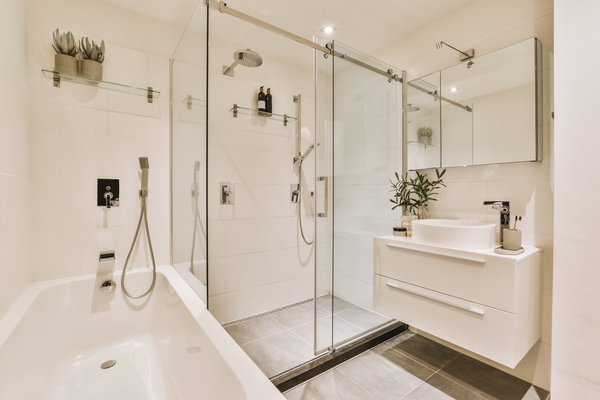
If you’re remodeling the master suite, then there’s no reason not to build a separate shower and tub. There’s more than enough space for both. And if you want a space-saving solution for single bathroom homes, then go with a shower/tub combo.
B. Innovative Design Solutions
Many walk-in shower designs now come with benches or tub-style seating. It’s also possible to install a soaking tub and shower combo. You can combine this with steam shower additions or a Jacuzzi bath to create a spa-like experience.
6. Professional Installation and Contractor Selection
A. Finding Qualified Contractors
Remodeling contractors should be put through a vetting process. Check if the contractor is licensed and has insurance. Also ask if they provide a warranty and long-term support. Finally, check up on permit requirements and local building compliance.
B. Project Planning and Timeline
The contractor should provide you with a schedule which is broken down into project phases. They also need a strategy for minimizing disruptions, dealing with occupied homes, and having a process for quality control and inspection.
7. Making the Final Decision: Your Personalized Assessment
A. Finalizing the Design
Before signing off on the design, think about things like space, lifestyle, budget, resale value, and maintenance. Think through each of these aspects carefully. At this stage, you may also benefit from professional consultation and design visualization. This can help you get an idea of what the final product will look like.
B. Future-Proofing Your Investment
Try to anticipate how your needs will change over a 10-20 year timeframe. What happens when you have a family and when you grow older? Also think about things like smart home compatibility and technology integration. It’s important to maintain flexibility for future modifications and updates.
8. Conclusion: Confidence in Your Bathroom Remodel Decision
Should you build a walk-in shower or a bathtub? There’s no universal right answer. You have to choose what’s best for your situation and personal priorities. What will provide you with the most long-term satisfaction and daily enjoyment? This is where professional consultation will really help. A remodeling company can provide you with expert guidance, draw up a timeline, and help you with project initiation.