Small bathrooms pose a unique challenge when remodeling. That being said, limited space doesn’t necessarily mean compromising on style or functionality. In this article we share proven strategies for maximizing the potential of small bathrooms. We cover the latest design trends as well as practical solutions for renovating.
1. Why Walk-In Showers Are Perfect for Small Bathroom Remodel Projects
A. Space Efficiency Advantages
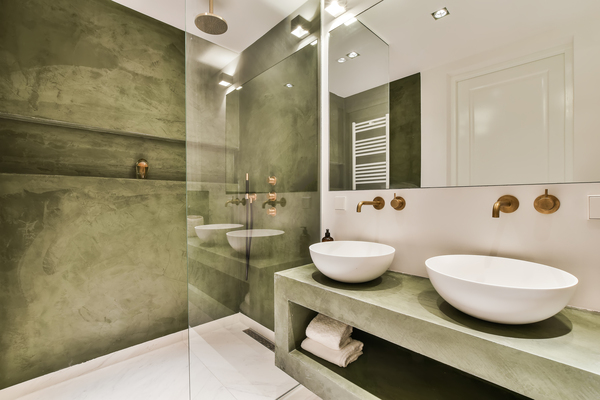
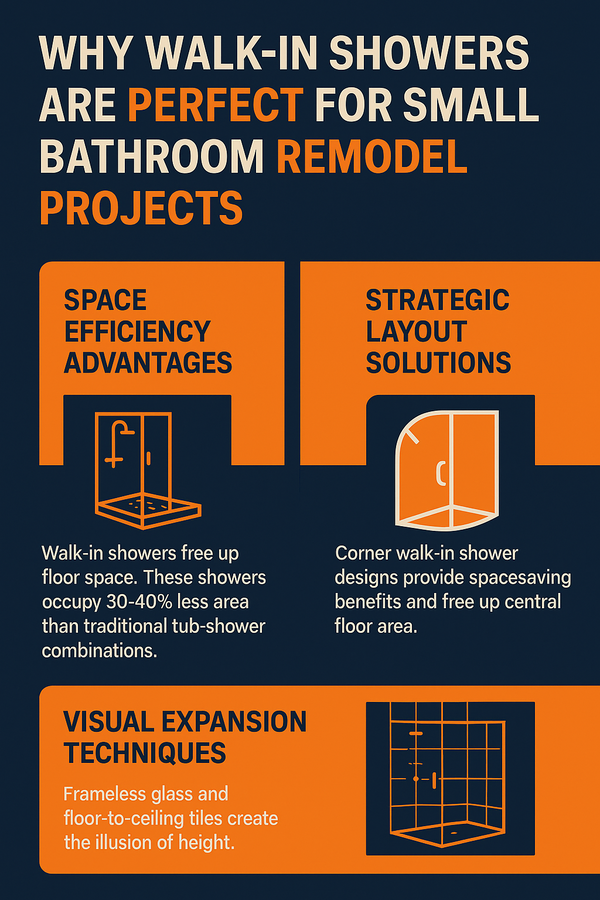
Walk-in showers free up floor space. These showers occupy 30-40% less area than traditional tub-shower combinations. Space can also be expanded by using frameless glass enclosures. These create an uninterrupted sightline across the entire bathroom. Removing the step also frees up space and is ideal for people with mobility issues.
B. Cost-Effectiveness for Bathroom Remodeling
Showers have simpler plumbing requirements compared to tubs. They also have the benefit of reduced maintenance. This is because there is less surface area. This minimizes grime build-up and reduces cleaning time. Modern walk-in showers also enhance property values and are more durable.
2. Walk-In Shower Ideas to Make Small Bathrooms Look Bigger
A. Strategic Layout Solutions
1. Corner Walk-In Shower Designs
Neo-angle and triangular enclosures utilize awkward corner spaces. You also have the curved glass option which softens harsh angles while maximizing interior shower room. Both of these choices provide you with space-saving benefits and free up central floor area.
2. Alcove Walk-In Shower Installations
Three-wall showers are perfect for narrow bathroom layouts. This is a cost-effective approach which requires minimal structural modification. Glass panel options include sliding panels or hinged door configurations.
3. Open Plan Wet Room Concepts
This is a barrier-free design in which the entire bathroom serves as shower area. The only drawback is that this configuration requires extensive waterproofing. Comprehensive floor-to-ceiling moisture protection is essential to prevent damage.
B. Visual Expansion Techniques
1. Frameless Glass Shower Enclosures
These showers feature clear glass panels which eliminate visual barriers throughout the bathroom. The unobstructed light flow brightens the space naturally. The absence of a metal frame also reduces areas where soap scum can build up.
2. Floor-to-Ceiling Tile Applications
Floor-to-ceiling tiles draw attention upward. This creates the illusion of height. Having the same tiles on walls and floors also unifies the shower and bathroom design. Large-format, mosaic, or subway tiles each offer unique visual benefits.
3. Large Format Tile Selection
Larger tiles minimize grout lines. Fewer gaps between tiles create a smoother and more expansive surface. This saves you time when cleaning due to reduced grout maintenance. If you want these benefits, then tiles larger than 12” X 24” are recommended.
3. Walk-In Shower Layouts to Maximize Small Bathroom Functionality
A. Design-Specific Layout Categories
Modern Minimalist Approaches
Clean lines eliminate unnecessary decorative elements for a streamlined appearance. Neutral palettes like white, light grey and beige tones reflect light and create the illusion of space. Hidden hardware (such as concealed hinges and mounting systems) maintain an uncluttered aesthetic.
Industrial Style Implementations
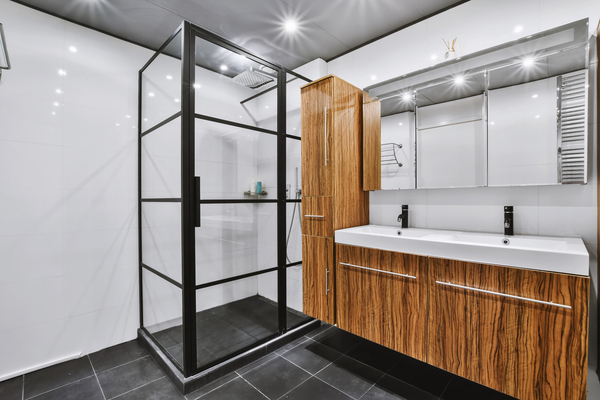
Exposed elements (like visible pipes and metal fixtures) add character to small bathrooms. Concrete and steel materials create a durable surface which is perfect for high-moisture environments. You can also go with an urban aesthetic appeal by using raw materials. These create a sophisticated contrast in compact spaces.
Scandinavian Inspired Designs
This design makes use of natural wood accents. These are water-resistant wood species which add warmth. The design is dominated by lighter shades and white surfaces with subtle natural textures.
B. Specialized Layout Solutions
Sloped-Ceiling Shower Adaptations
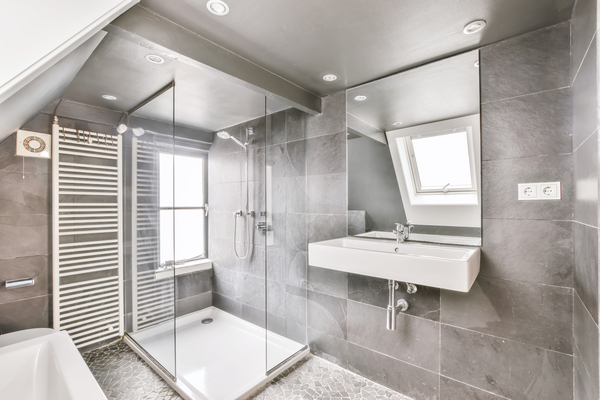
Attic bathrooms can transform awkward under-eave spaces into functional shower areas. With this design, shower heads should be positioned at maximum ceiling height points. Built-in seating is also useful in low-ceiling areas. These seats can be permanent or fold-down for convenience.
Combination Tub-Shower Units
This option provides you with dual functionality. You maintain bathing options while incorporating walk-in shower features. With careful planning, even the smallest bathrooms can accommodate both of these elements. This design is also family-friendly, making it essential for households with young children.
4. Smart Storage and Luxury Features for Small Bathroom Showers
A. Built-In Storage Solutions
Recessed Shower Niches
Wall cavity spaces can be utilized for toiletry storage. This removes protruding elements like soap caddies. These spaces are constructed from waterproof materials like ceramic tiles or natural stone options. You can also use custom sizing for accommodating specific bottles.
Floating Shelf Integration
Wall-mounted options maintain floor clearance while providing essential storage. Ensure that shelf materials coordinate with shower tiles and fixture finishes for a cohesive design. Also plan for weight capacity and ensure proper anchoring for wet environment loads.
B. Luxury Enhancement Features
Built-In Shower Benches
Seated showering options provide accessibility, comfort, and safety for people with mobility needs. Benches also have hidden storage potential. For example, hollow benches can be used for storing toiletries.
Advanced Lighting Systems
Different types of lighting can be combined. Ambient, task, and accent lighting can be used together for optimal visibility. You can also integrate LED lights for an energy-efficient option with dimming capabilities. Just note that all lights must be moisture rated IP65 or higher. This is essential for shower safety.
5. Material Selection and Installation Considerations
A. Optimal Material Choices for Small Bathroom Showers
Glass Panel Options
Shower doors should follow thickness standards and be constructed from 8mm – 10mm tempered glass. This ensures both durability and safety. Doors can also be treated with hydrophobic coatings to reduce water spotting or modified for privacy. Frosted, textured, or tinted glass maintains openness while providing discretion.
Tile Selection Strategies
Porcelain is a good choice for any bathroom. Its non-porous surface makes it ideal for high-moisture shower environments. Natural stone, like marble or slate, also looks good in any bathroom. These must be properly sealed to prevent water penetration. When selecting material, make sure to check the slip rating. This is extremely important for shower floor safety.
B. Professional Installation vs. DIY Considerations
When to Hire Bathroom Remodeling Contractors
If you’re doing plumbing modifications, then you’ll need professional assistance. You’ll also need help if you’re making structural changes. This includes things like wall removal or modification. In this case, you’ll need building permit compliance. Waterproofing also adds an additional layer of complexity. Improper moisture barrier installation can lead to costly damage.
DIY-Friendly Upgrades
DIY is best suited for things like fixture replacement and painting. Replacing shower heads, handles, and accessories are within homeowner capabilities. Straightforward retiling projects are also suitable for DIY enthusiasts.
6. Budget Planning and Cost Optimization
A. Small Bathroom Remodel Cost Factors
Professional Installation Expenses
Labor is usually the biggest cost when remodeling your bathroom. These costs can range from $3,000 to $8,000. Materials also vary by cost. Things like basic tiles vs. natural stone can significantly raise costs. Also consider local building code compliance requirements and budget for permits and inspection fees.
Cost-Saving Strategies
You can save money with a phased renovation approach. Another way to save money is by balancing your material selection. It’s possible to mix high-end focal elements with budget-friendly basics. Timing your remodel also helps you save money. Hiring a contractor in the off-season may reduce costs.
7. Maintenance and Longevity Tips
A. Daily Care Routines
Glass surfaces should be wiped down with a squeegee after use. This prevents water spots. Proper ventilation also helps. You can install an exhaust fan to prevent mildew growth. You should also select cleaning products that are pH neutral. These help protect tile and grout integrity.
B. Long-Term Maintenance Planning
Keep up with a grout sealing schedule. Annual resealing helps maintain water resistance. Routine hardware inspection should also be carried out. Check things like glass panel hinges and mounting systems. Also make sure to maintain your drains. Monthly cleaning prevents clogging and ensures proper drainage.
8. Conclusion: Creating Your Perfect Small Bathroom Shower
When remodeling, you should always prioritize functionality. You want to ensure daily usability before you focus on aesthetic elements. Also think of this from an investment perspective. Quality materials and installation provide you with long-term value and satisfaction. Also understand the value of professional consultation. Complex projects can benefit from expert bathroom remodeling guidance.