Cabinet refacing is a popular and affordable way to give a new look to your kitchen whether DIY or through a kitchen remodeling service. Compared to cabinet replacement, refacing requires less work, is less disruptive and is 30% to 50% cheaper to complete. In this comprehensive article, we talk about some of the pros and cons of cabinet refacing considering factors like budgeting and the desired results, to help you decide if refacing is worth your investment.
What is Cabinet Refacing?
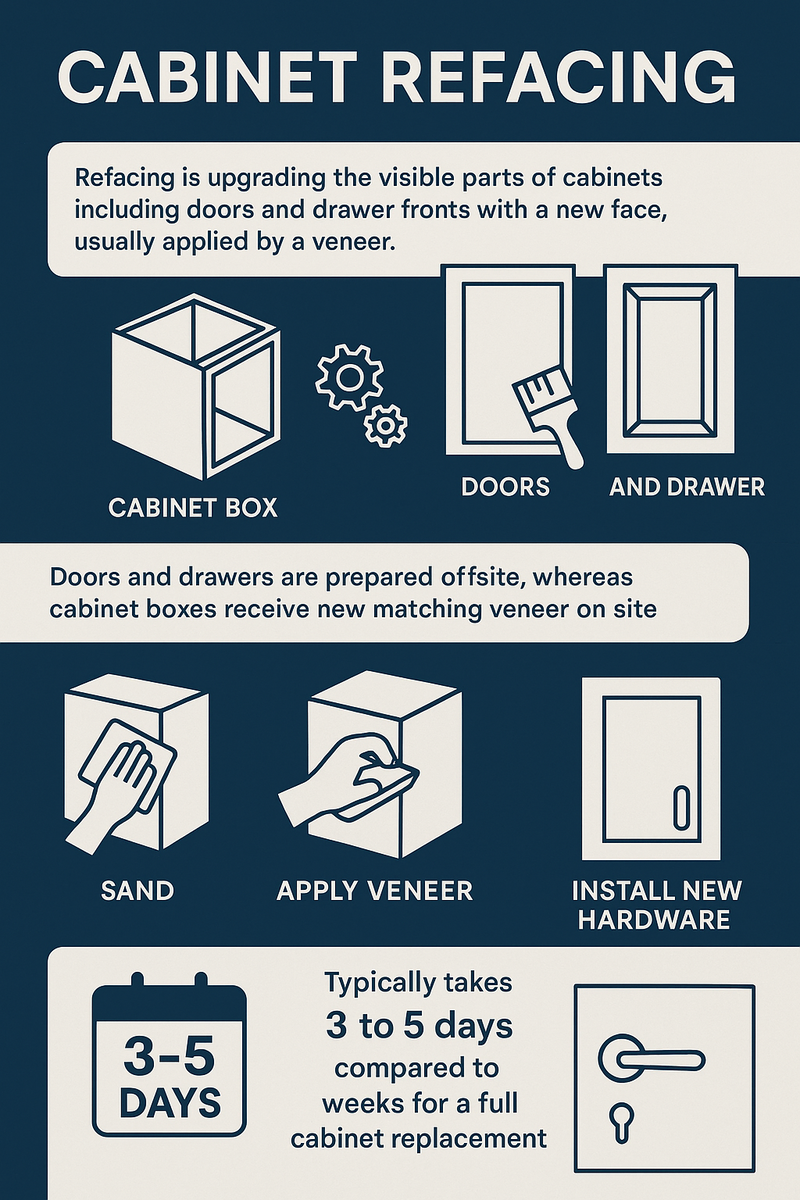
Refacing is upgrading the visible parts of cabinets including doors and drawer fronts with a new face, usually applied by a veneer. The cabinet boxes, which is the shell of the cabinets without doors or drawers, also receive an updated matching veneer. The doors and drawers are prepared in an offsite workshop whereas the cabinet boxes are prepared on site. The cabinet boxes are sanded and then a new veneer is applied to the cabinet boxes with adhesive. To make sure the cabinets are functioning optimally, new hinges and knobs can also be installed as well. The refacing process typically takes 3 to 5 days compared to weeks for a full cabinet replacement.
Types of Veneer
Homeowners can update the veneer of their cabinets to a variety of options. Veneer doesn't have to wood. Veneer comes in a variety of materials including plastic, laminate, or acrylic. Classic veneer is made of a thin slice of real wood. Laminate veneer is a printed or textured surface that mimics the appearance of wood but is actually made from synthetic materials, such as plastic. Acrylic veneer offers a glossy, modern look and is commonly used in modern woodworking. All types of veneers are fixed to the prepared surface with adhesive.
Which Veneer We Recommend (Based on 10+ Years Experience)
For High-Traffic NYC Families: We typically recommend high-pressure laminate with wood grain texture. It withstands the daily wear of busy households and is easy to clean.
For Luxury Apartments: Natural wood veneer in walnut or cherry creates the premium look that matches NYC's high-end real estate market.
For Modern Designs: Acrylic veneer in high-gloss white or charcoal grey - we've installed this in over 50 contemporary NYC kitchens with excellent results.
Pro Tip: In our experience, 70% of NYC clients choose laminate veneer for its durability and lower maintenance requirements.
Pros of Cabinet Refacing
There are amazing benefits of refacing cabinets compared to replacing them as we discuss below:
Cost-Effective
Generally, refacing cabinets saves you up to 50% compared to full cabinet replacement. For example, the average cost to reface kitchen cabinets is $4,000 to $9,000 against replacement which is anywhere between $15,000 to $45,000. That’s a lot of money to save, making it a great option to consider for most homeowners.
Eco-Friendly
If your cabinets really are working just fine but need them to look better, refacing is an eco-friendly solution and a way to reduce waste. It reuses existing cabinet boxes and simply upgrades the surfaces of your cabinetry. Seems a shame, and a lot of money, to replace something that is working fine!
Quick and Convenient
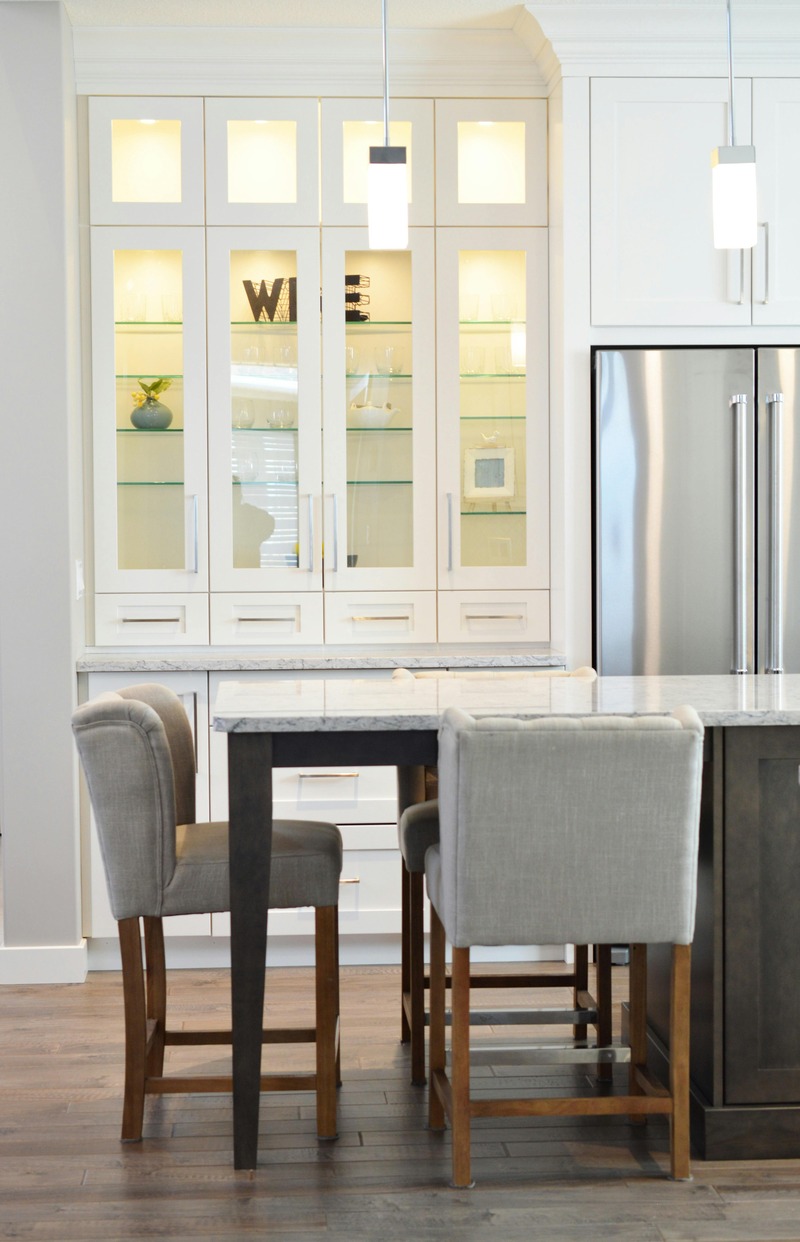
Cabinets typically take a week or more to replace but only a few days to reface them. Refacing can also continue simultaneously with normal kitchen activities. This makes refacing a convenient choice for those who only have a few days for the project and want to continue using their kitchen even during repairs.
Customization Options
For those looking to improve the aesthetics of their kitchens, refacing can help you personalize your cabinetry without making structural changes. Simply putting on a new veneer can dramatically change the whole look of your kitchen. In addition, choosing the right hardware such as whether to use knobs or pulls, can make an powerful impact on your kitchen's aesthetics.

Boosts Home Value
Similar to bathroom remodeling projects, kitchen updates like cabinet refacing can significantly impact your home's overall appeal and market value. The exact increase in the value of your home depends on factors like the quality of the refacing, the overall condition of the kitchen, and the local market conditions. However, you can expect a return on investment of 70% to 80% of what you used to reface your cabinets.
Cons of Cabinet Refacing
Cabinet refacing comes with its own share of challenges as we detail below
Limited Structural Updates:
Unfortunately, refacing kitchen cabinets does not get to the structural components of the cabinets, limiting you to just upgrading the visible parts. So if you want to go into extensive redesigns or additional storage, a cabinet reface won’t suffice.
Durability Concerns
Refaced kitchen cabinets may not be as durable as replaced cabinets, especially if the original cabinet parts are of varying quality and age. The attractive finishes might also mask underlying structural issues which may compromise the entire refacing investment over time.
Cost Considerations
Though cheaper than cabinet replacements, if you go with high-end finishes like solid wood veneer, it may be just as costly as cabinet replacement costs. If you decide to do it yourself and an error occurs, you will incur additional expenses to correct the mistakes.
Problems with Refacing Kitchen Cabinets
Common Issues That Can Occur with Cabinet Refacing
While cabinet refacing offers many benefits, homeowners should be aware of potential problems that can arise during or after the refacing process:
Veneer Adhesion Failures
Veneer peeling or bubbling can occur, particularly in kitchens with high humidity or installed near older dishwashers. This typically happens 2-3 years post-installation when inferior adhesives are used in construction or when proper surface preparation is skipped. Quality adhesive systems and proper climate control during installation are essential to prevent these failures.
Hidden Structural Problems
Refacing can sometimes conceal underlying cabinet box issues that should be addressed first. Water damage, rot, or structural weakness behind cabinet faces can lead to complete failure within months. Warning signs include soft spots, discoloration, or musty odors that must be addressed before any refacing work begins.
Misaligned Doors and Drawers
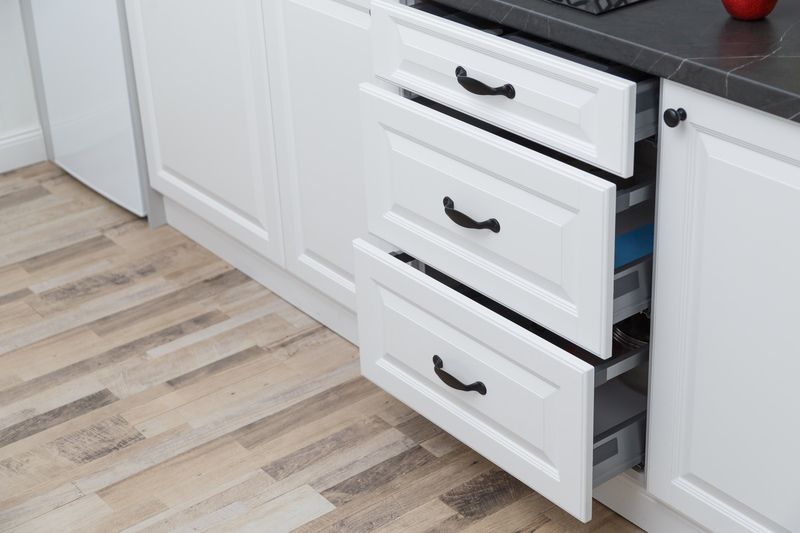
Even with professional installation, refacing can sometimes result in alignment issues. The new veneer thickness (typically 1/16" to 1/8") can affect door clearances and drawer operation, requiring post-installation adjustments to ensure proper use.
Limited Hardware Compatibility
Existing hinge and handle holes may not accommodate modern hardware styles. This forces homeowners to either:
- Use similar-sized hardware, limiting the homeowner's design choices
- Fill and re-drill holes (adding $200-400 to the project cost)
- Accept visible patching in some cases
Color Matching Difficulties
Achieving perfect color consistency between doors (manufactured off-site) and cabinet boxes (veneered on-site) remains challenging. Lighting conditions and wood grain variations can create noticeable differences, particularly with natural wood veneers.
Factors to Consider Before Refacing
Refacing your kitchen cabinets can greatly improve the appearance of your kitchen. But before starting a refacing project, consider these factors.
Cabinet Condition
Your cabinet boxes must be free from structural damage to qualify for refacing. So if you see signs of rotting, mold, or broken panels, that means replacing is the better option. You also need to evaluate the existing condition of the cabinet boxes to determine if it can even accept veneering.
Budget
How much are you willing to spend on a refacing project? The amount of money you have set aside will be distributed to buy materials and pay for labor if you’re hiring professionals. By planning your budget carefully, you will minimize the chances of not completing your refacing project.
Aesthetic Goals
Cabinet refacing offers the flexibility of design to achieve your desired kitchen style. If you want your kitchen to look modern, an acrylic veneer is probably your choice. On the other hand, if you are looking for a traditional look, use classic wood veneers with warm tones like oak or mahogany. Be sure to color match to the other elements of the kitchen like countertops and backsplashes. In addition, when planning your kitchen's new look, consider how your cabinet veneer will complement your flooring choices. Whether you're installing new vinyl flooring or working with existing surfaces, color coordination is key.
Material Durability
The longevity of your kitchen cabinets depends heavily on the type of materials you use. So before you decide to undertake a refacing project, make sure you assess the available options. Consider how long you want your veneer to last and accompanying hardware options then choose those that suit your budget.
Conclusion: Is Refacing Kitchen Cabinets Worth It?
Cabinet refacing is a quick and cost-effective way to give your structurally sound cabinets a new look. But it’s not always the best solution for all kitchens. Therefore, reach out to a refacing professional like us at Lumina Construction to get personalized recommendations for your needs. Working with licensed professionals ensures quality results and proper installation. Contact our experienced team to discuss your cabinet refacing project timeline and requirements. An expert will also advise you on the best materials to choose and give you a quote for the project. If you need help with cabinet refacing, reach out to us at 212-920-9163 or request a free quote and we’ll be happy to guide you.