The countertop you choose for your kitchen affects the looks and functionality of your space. While quartz and granite remain popular for many homeowners, porcelain countertops are increasingly becoming a better choice because of their beauty, durability, and versatility. If you’re looking for a countertop material that can serve you long and look good throughout its lifespan, consider one made using porcelain. Here’s what you need to know about porcelain countertops and why you should consider them.
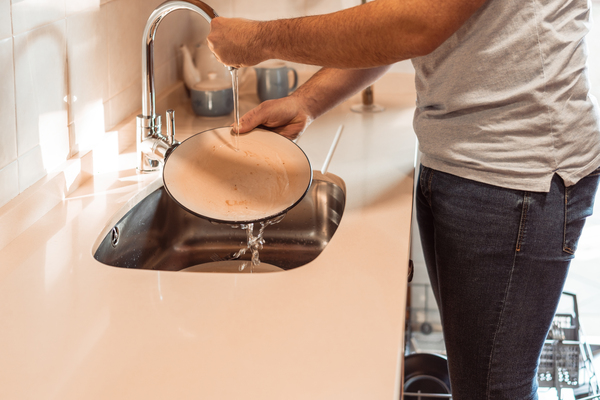
What Are Porcelain Countertops?
Porcelain countertops are made using kaolin clay, a soft, white clay composed of the mineral kaolinite. It also has quartz, which is a mineral that adds to the hardness of the porcelain and feldspar, the most abundant mineral group on earth. These materials are mixed and fired at high temperatures exceeding 1200°C through a process called vitrification. Vitrification ensures that the end porcelain product is dense and moisture-proof. The engineered porcelain surface allows for different finishes and patterns with the ability to mimic the appearance of natural stones like granite, marble, and even wood.
Characteristics of Porcelain Countertops
Porcelain has unique characteristics that make it stand out amongst other countertop materials. Here are some of the features that make it unique:
Heat Resistance: Porcelain countertops have better heat tolerance than other materials like quartz. Given the context where it’s used, they can withstand direct heat from hot pots and pans without scorching or burning.
Stain Resistance: Porcelain has a non-porous surface, making it highly resistant to liquids that cause stains including acids. In a kitchen where water spillage is common, you won’t need to worry about moisture seeping into the material and staining it.
Lightweight and Versatile: In comparison to natural stones like granite which are heavy, porcelain is lightweight and more versatile. This feature makes porcelain easier to transport and install. It’s not just used to make countertops but also as wall cladding, backsplashes, and flooring.
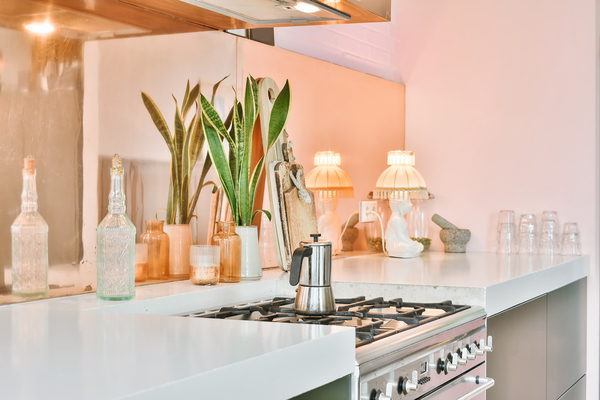
Advantages of Porcelain Countertops
Porcelain countertops come with a variety of benefits as we highlight below:
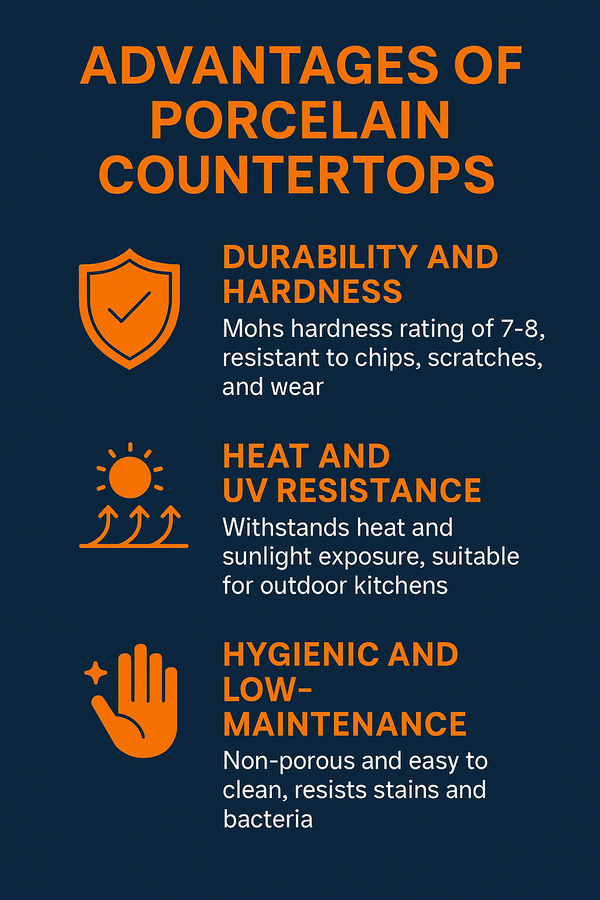
Durability and Hardness
Looking for a countertop solution that will last many years in your kitchen? Porcelain is the perfect choice as it has a Mohs hardness rating of 7-8, which makes it resistant to chips, scratches, and daily wear. This feature makes it a perfect choice for high-traffic kitchens, including commercial spaces. The porosity of porcelain of about 0.05% helps prevent water absorption and growth of mold, making it functional in moisture-prone areas including bathrooms.
Heat and UV Resistance
One of the biggest worries in kitchens is hot pots that burn and scorch counter surfaces. Porcelain countertops solve this problem as they are tolerant to heat. Their surfaces are also UV-stable, meaning that they retain their color and finish even under exposure to direct heat and sunlight. That’s why porcelain countertops are excellent for outdoor kitchens and spaces.
Hygienic and Low-maintenance
Porcelain is non-porous, meaning it does not allow water to penetrate it. This feature makes it an easy pick for places like kitchens with high hygienic demands. Its smooth surface is easy to clean and prevents the development of stains and the growth of bacteria. Unlike wood and stone surfaces that require periodic sealing to be effective, porcelain only needs mild soap and water to clean throughout its lifetime.
Design Versatility
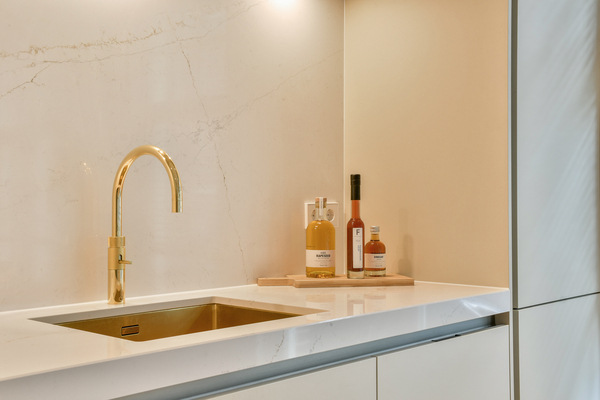
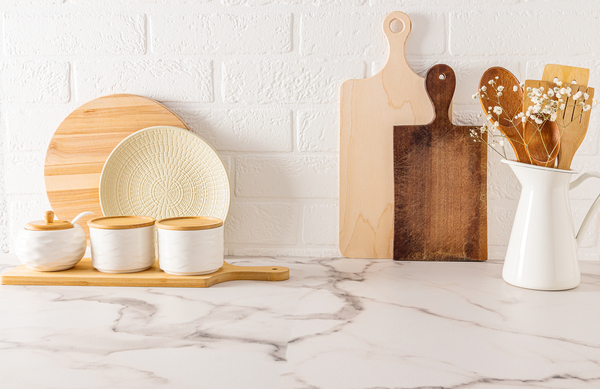
Porcelain is very versatile in design because it comes in a wide range of colors. If you want to mimic patterns like marble, wood, or terrazzo, porcelain is the answer. Want a glossy or honed finish? Porcelain can be both. Porcelain makes it easy to achieve both contemporary and traditional counter designs without much effort. If you don’t like seeing seams in your countertop, you can use large-format porcelain slabs to get that smooth surface.
Eco-Friendly Material
If you’re the type that supports the sustainability of the environment, porcelain is a perfect choice because it’s manufactured using natural clay and renewable minerals that are fully recyclable. The manufacturing process also makes use of recycled materials, minimizing the destruction of our environment.
Disadvantages of Porcelain Countertops
Just like any other kitchen countertop material, porcelain comes with its share of concerns that you should consider before investing.
Edges are Susceptible to Chipping and Cracking
Porcelain is a very durable material but its edges tend to be brittle and can chip and crack from heavy impacts. In addition, when chips and cracks occur, they need professional repairs that add to the maintenance costs.
Limited Edge Design Options
Porcelain is typically 6mm to 20mm thin, which can limit the design on the edges. Achieving a rounded edge commonly known as bullnose, or an S-shaped curve known as ogee is challenging because of the thin edges. The common edge designs with porcelain are a mitered edge that involves joining two pieces of panels at a 45-degree angle or an eased edge that has rounded corners for a minimalist look.
Installation Challenges
The thin slabs of porcelain demand skilled installation by means of specialized tools to prevent breakage. This rules out the possibility of doing it yourself if you’re not skilled, thus increasing installation costs.
Cost Considerations
Porcelain countertops cost between $50 to $120 per square foot, depending on thickness and design. This is cheaper than high-end quartz countertops, which cost $50 to $200 per square foot, and granite countertops that can easily exceed $200 per square foot.
Comparing Porcelain With Other Countertop Materials
Porcelain has several competitors when it comes to serving as a countertop material. Here are the top three:
Porcelain vs. Quartz
Quartz generally offers greater edge design flexibility due to its thicker edges. However, quartz is prone to discoloration from UV exposure, making porcelain a better choice for outdoor kitchens. Porcelain is also scratch-resistant and can handle hot pots and pans better than quartz.
Porcelain vs. Granite
If you don’t like periodic maintenance, granite may not be a good choice for your kitchen. Unlike porcelain which only requires water and soap to maintain over its lifetime, granite needs regular sealing to make the surface usable. Also, porcelain slabs are lighter and easier to work with compared to granite.
Porcelain vs. Ceramic
While often used interchangeably, porcelain and ceramic are different in their composition. While ceramic is made from clay, porcelain uses clay plus more minerals fired at a higher temperature. Ceramic has a higher porosity than porcelain which makes it susceptible to staining in moisture-prone areas.
| Feature | Porcelain | Quartz | Granite | Ceramic |
|---|
| Edge Design Flexibility | Moderate flexibility | Greater flexibility due to thickness | Moderate flexibility | Moderate flexibility |
| UV Resistance | Excellent - does not discolor in sunlight | Poor - prone to discoloration | Excellent | Moderate |
| Scratch Resistance | High - resistant to scratches | Moderate | High | Moderate |
| Heat Resistance | High - can handle hot pots and pans | Moderate | High | Moderate |
| Maintenance | Easy - requires only water and soap | Easy | Requires regular sealing | Moderate - needs more maintenance in moisture-prone areas |
| Weight | Lightweight - easier to handle | Heavier | Heavier | Lightweight |
| Porosity | Low - resistant to staining | Low | Moderate | High - more susceptible to staining |
| Material Composition | Clay plus minerals fired at high temperatures | Engineered stone (natural quartz + resin) | Natural stone | Primarily clay |
Maintenance and Care
Maintaining porcelain is easy because it requires regular cleaning using mild soap, soft rags, and water. You want to avoid harsh chemicals such as ammonia and bleach because they can damage the finish. While porcelain is highly scratch-resistant, you still need to use a chopping board when cutting in the kitchen to minimize the risk of damage.
Are Porcelain Countertops Right for You?
Porcelain countertops are beautiful and functional in modern kitchens. Their heat and stain resistance plus low maintenance demands make them an easy pick for high-traffic kitchens. But they also have potential cons that entail design limitations and the need for careful handling during installation. If you are still debating if porcelain countertop is right for you or not, reach out to us at XXXX for advice and installation.