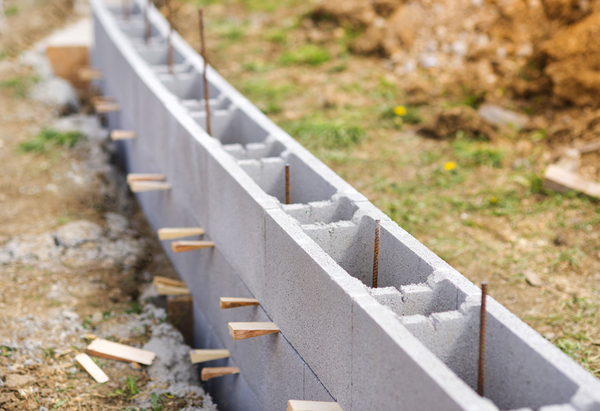
Retaining walls have an integral function to provide structure, create level areas on sloped terrain and even enhance the appeal of your landscaping. They are commonly used to protect foundations, manage water flow, and prevent soil erosion, particularly around garden terraces. They are crucial to stabilize any slopes and manage any grade differences across your outdoor space. Unfortunately, retaining walls are vulnerable to water, they are subject to moisture from irrigation systems, rainfall and snowmelt. So, without adequate drainage, the accumulation of moisture can put the wall under considerable stress.
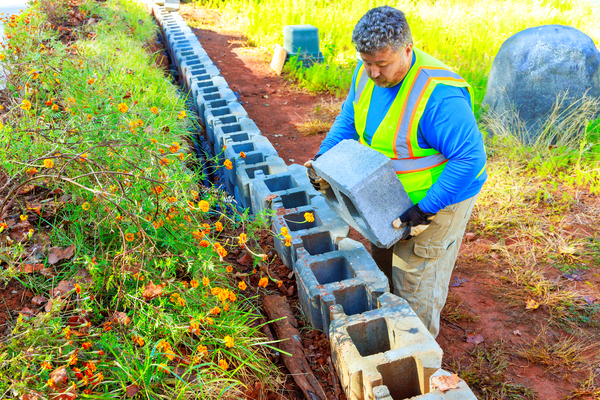
What Is Retaining Wall Drainage?
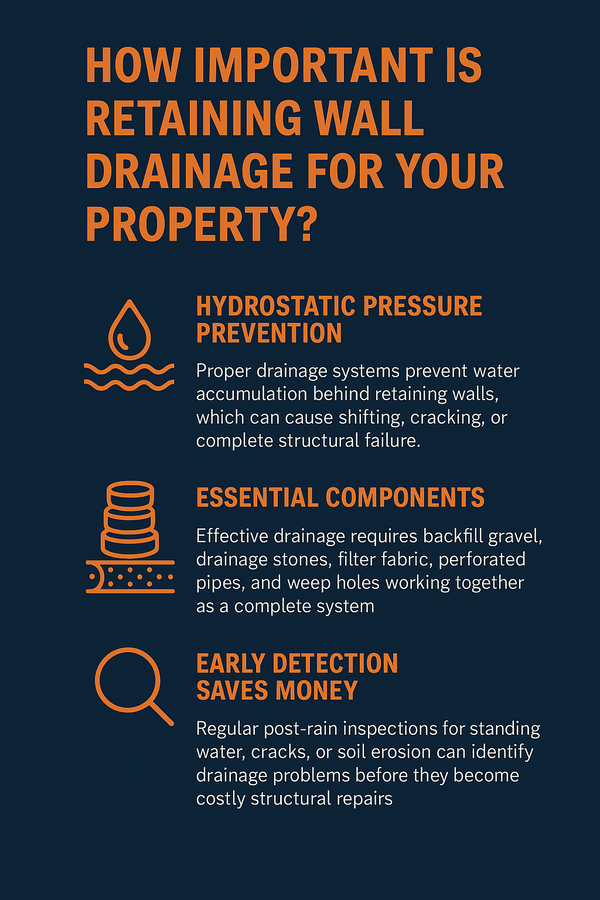
In simple terms, retaining wall drainage is a system to direct water away from the wall itself and prevent water accumulation. It prevents hydrostatic pressure which is when the water accumulates behind the wall, exerting pressure on it and causes shifting, cracking or even collapse. Drainage ensures that the water moves freely and can escape without compromising the stability of the wall. This not only protects the integrity of the wall, but reduces maintenance costs, extending the lifespan of the wall and surrounding landscaping.
Why Retaining Wall Drainage Is Essential
When water is trapped behind the wall, the hydrostatic pressure can be a massive contributing factor to the wall failure. You may notice the wall shifting, bulging or cracking as it tries to adjust to the pressure. Over time, these issues will become more significant and the foundation will be put under unnecessary strain, which weakens the overall structure.
Retaining wall drainage can also improve other aspects of your garden. The water runoff from improper drainage can cause soil erosion behind or in front of the wall, which can cause landscaping issues. It also prevents pooling water near foundations, driveways or any other structures in the surrounding area which can also damage those adjacent structures over time. Of course, if the wall fails altogether, there is a risk of damage to your landscaping or any structures in the area which could be damaged by falling masonry. Not to mention, the possibility of injury if children or pets are near a compromised or failing wall.
Neglecting proper drainage can lead to costly repairs as you may need to replace or structurally reinforce the wall and deal with erosion issues. So, prevention with a proper system is a far more cost effective solution compared to needing to make emergency repairs.
Key Components of Proper Retaining Wall Drainage
There are several key components to a proper retaining wall drainage system. These include:
Backfill and Gravel
Backfill which often consists primarily of crushed stone or gravel is placed behind the wall to reduce pressure on the wall and allow the water to flow freely. The gravel prevents the accumulation of moisture, reducing the possibility of hydrostatic pressure developing.
Drainage Stone
Drainage stones are placed behind the wall to create channels for the water to pass through. This reduces water saturation, which can compromise the stability and strength of the wall.
Filter Fabric
This fabric is placed between the drainage stone and the soil to prevent any fine particles of soil from clogging up the drainage system. This allows unobstructed water flow to be maintained for long term functionality of the drainage system.
Drainage Pipes
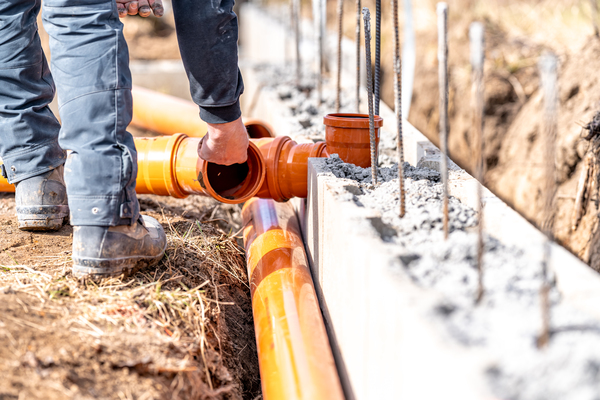
If you have a taller wall or one in a location with poor natural drainage such as near clay soil, you may require a perforated drainage pipe installed within the backfill. This pipe has very small holes or slots over the entire surface to allow water to easily pass. The overall purpose of this pipe is to prevent pooling and allow the water to be distributed evenly. These pipes are installed at regular intervals along the base of the wall.
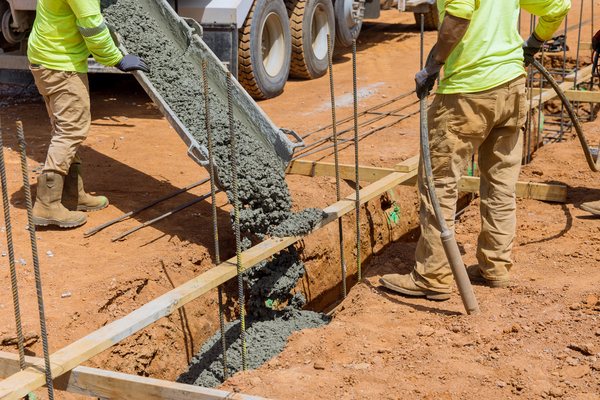
Weep Holes
These are small holes in the wall that allow the slow escape of water to reduce pressure build up. The weep holes are placed at regular intervals along the wall, typically near the base, but larger walls may require multiple lines.
Proper Wall Design
Finally, it is important that the area around the wall is properly sloped and graded during construction which will help to direct surface water away from the structure.
How to Detect Drainage Issues
Whether you’re installing a new wall or want to prolong the lifespan of an existing wall in your outdoor space, proper drainage is crucial. As we’ve discussed, proper drainage is vital to maintain the structural integrity of the wall, reducing the risk of shifting or movement that could weaken the wall, compromising safety and prompting the need for costly repairs. Fortunately, you can minimize the possibility of premature wear or expensive landscaping intervention by detecting issues early.
If you’re wondering if your retaining wall requires additional drainage measures or have concerns about a drainage issue, there are several things to look out for.
Post Rain Inspections:
After rainstorms, take a few minutes to check the wall for signs of water escaping from the weep holes and that there is proper water flow. The signs of improper drainage include standing water in the area, or in more significant cases, visible cracks or bulging in the wall.

Visual Erosion Inspection:
When you are in your outdoor area, pay attention to any signs of excessive moisture or soil erosion around the wall, particularly around the base, which could indicate a drainage failure.
Crack Analysis:
Any cracks in the wall, especially ones that worsen after a period of rain could indicate water pressure building up behind the wall due to improper drainage.
Conclusion: The Importance of Professional Retaining Wall Drainage
Although it is tempting to try to DIY many areas of your home and garden, retaining wall drainage is one task that should be left to the professionals. Proper drainage is a critical component of the long term stability and durability of the wall and a professional installation will ensure a properly designed and implemented system.
Experienced professionals have the skills, tools and expertise to deal with any complex drainage requirements including varying water table levels, deep or taller walls or less than ideal soil conditions.
If you already have retaining wall drainage installed, it is important to ensure timely maintenance of the system to extend the lifespan of the wall and minimize the risk of costly repairs. A professional contractor can check for any minor issues and make any necessary repairs before they develop into a more serious problem.
So, avoid expensive repairs and invest in a well designed drainage system for your retaining wall. With proper installation and maintenance, you can protect your property, maintaining a safe landscape and avoiding potentially very costly repairs. Why risk the aesthetics and safety of your garden, soil erosion issues and collapsing terracing, when a professional contractor can provide the solution today.